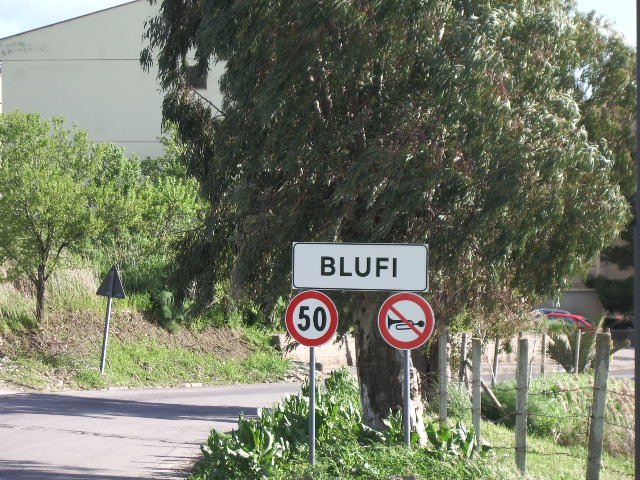
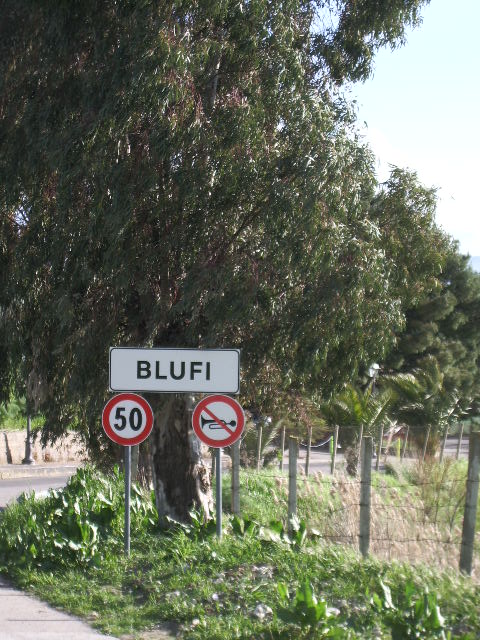
Blufi
Origins of my LoDico Ancestry
Blufi
was a 'frazione' [fraction] of Petralia Soprana
until March of 1972 when it became an independent town.
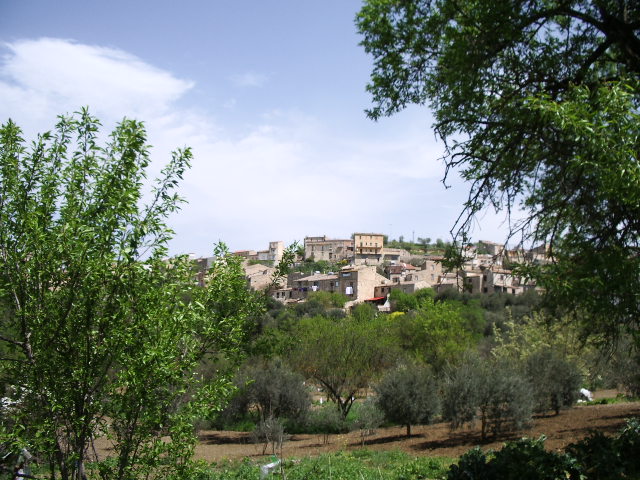
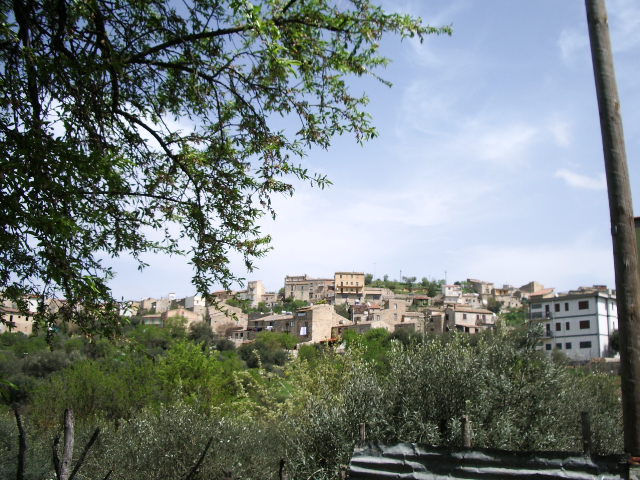
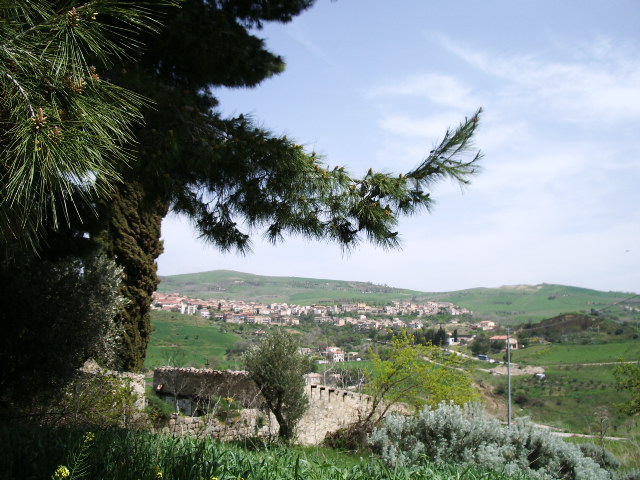
Blufi is one of the newest communities in the Madonie,
but its historical beginnings are lost in the time.
From the influences of the Arabic culture through the
Knights of Malta and the Sicilian noble families,
Blufi has remained an quiet jewel, nestled in the
Madonie.
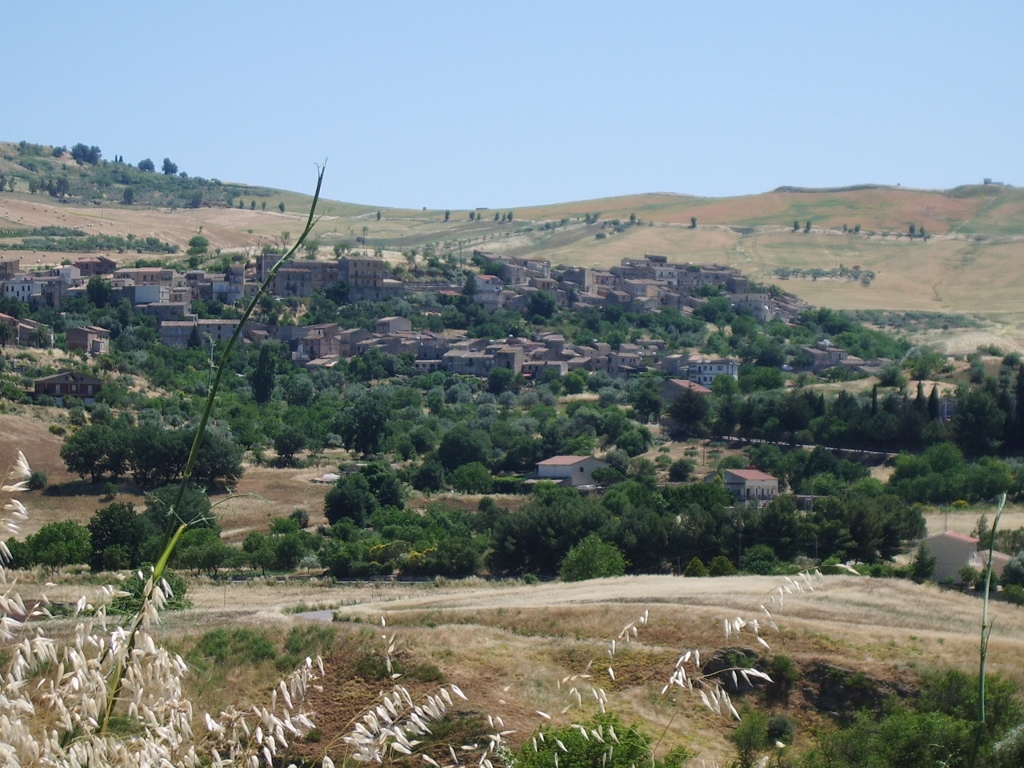
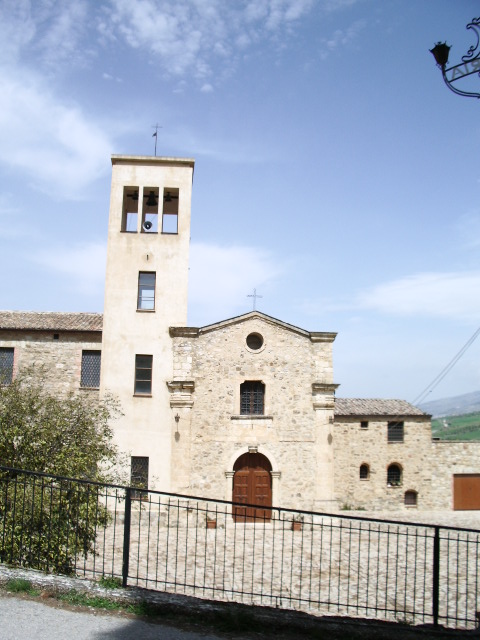
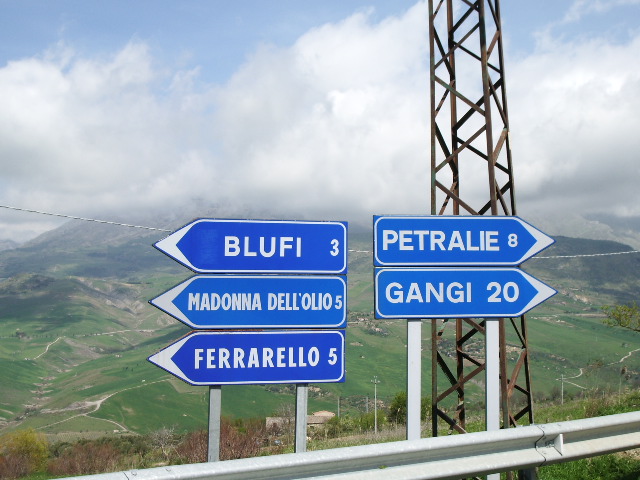
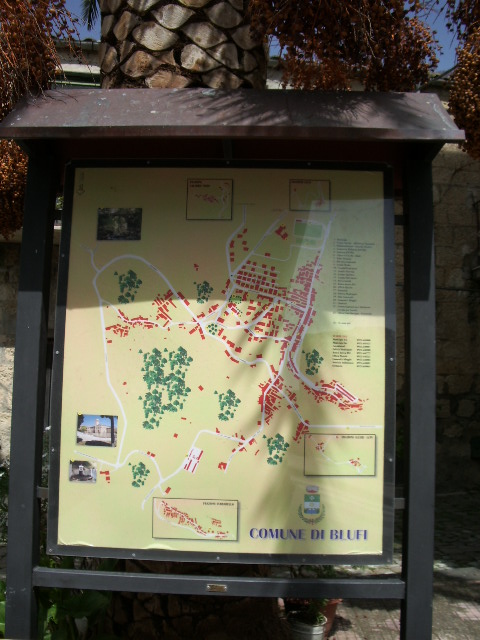
Blufi, Sicily 2009
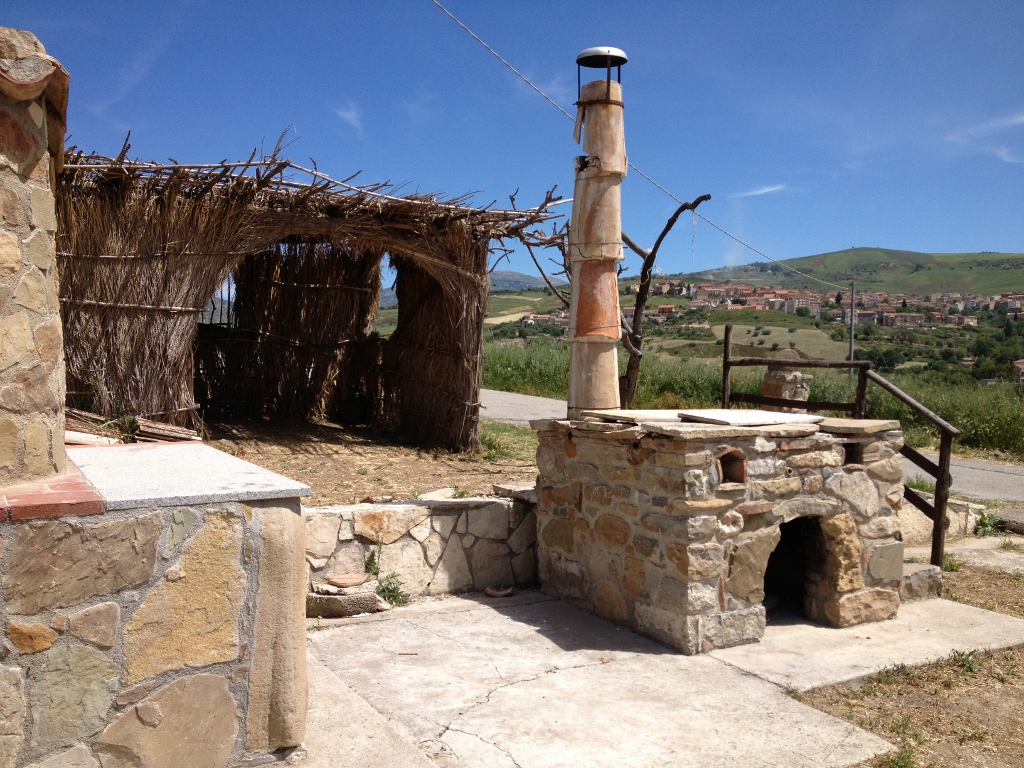
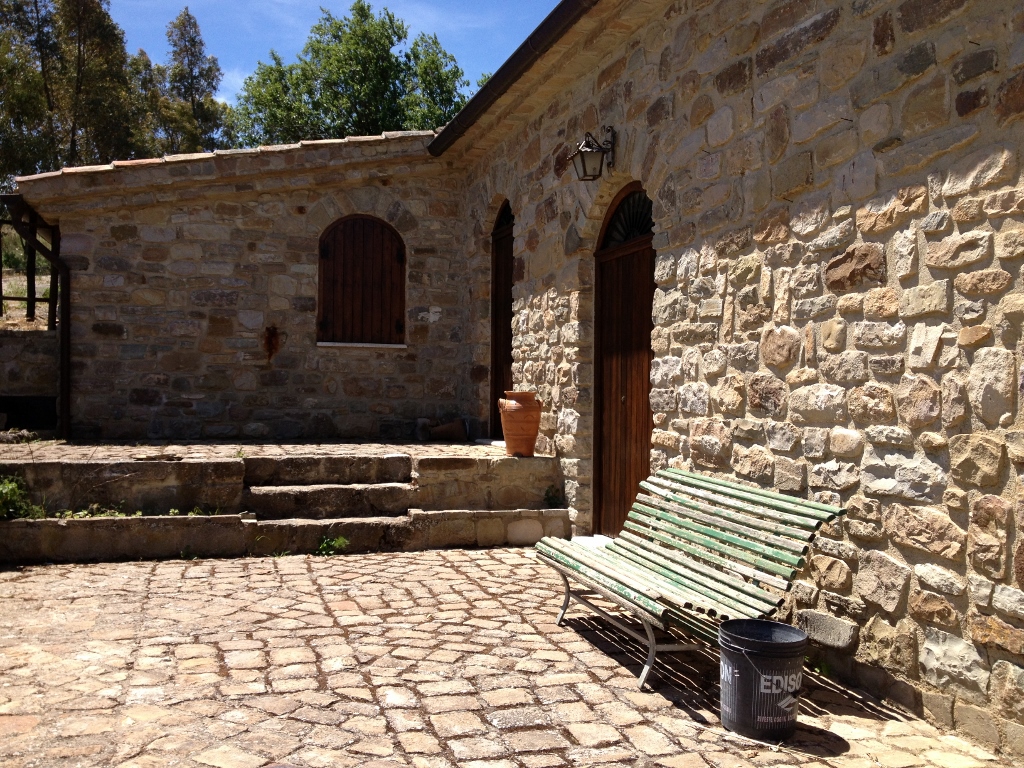
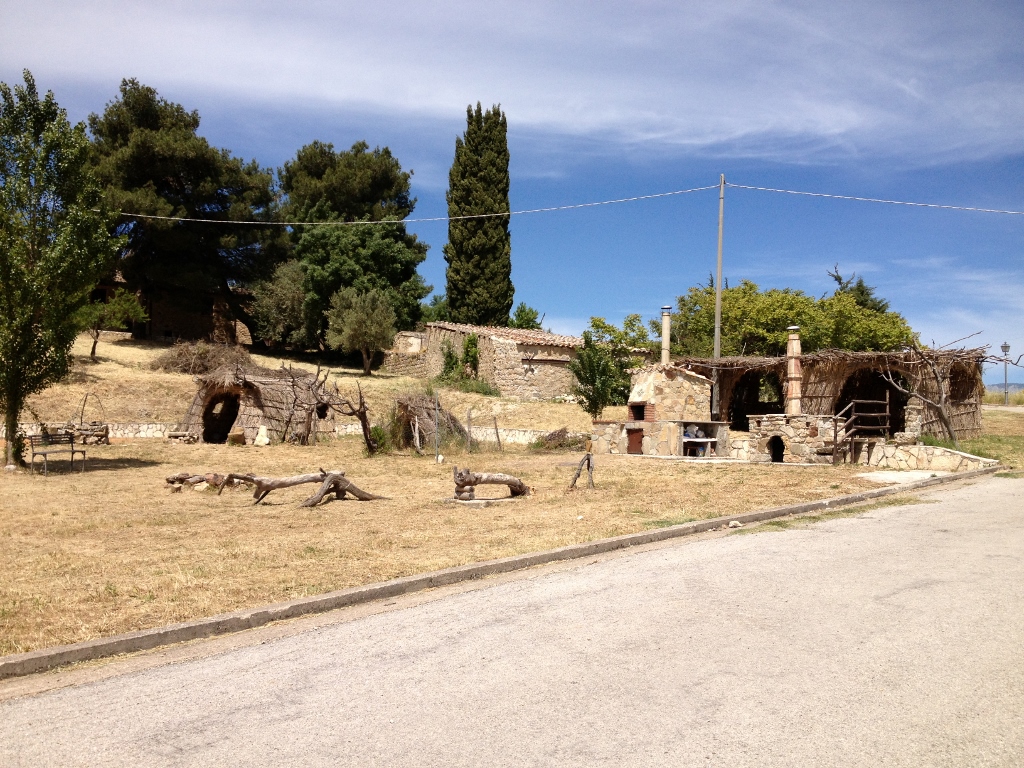
Sanctuary of the Madonna of the Oils - Blufi 2013
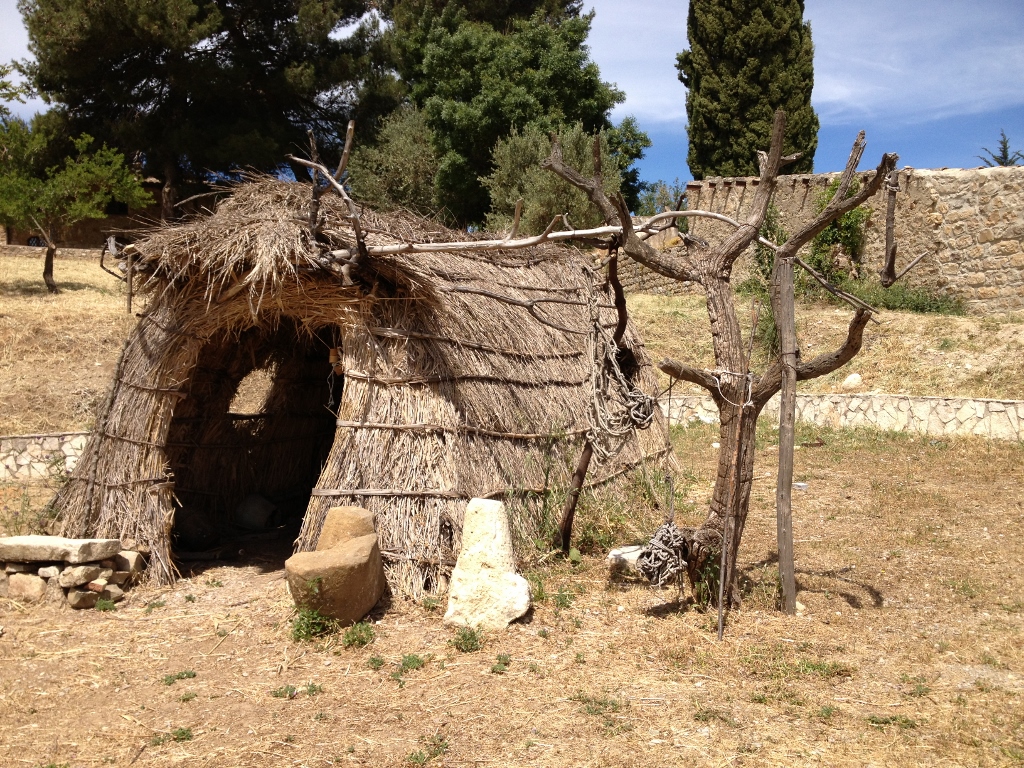
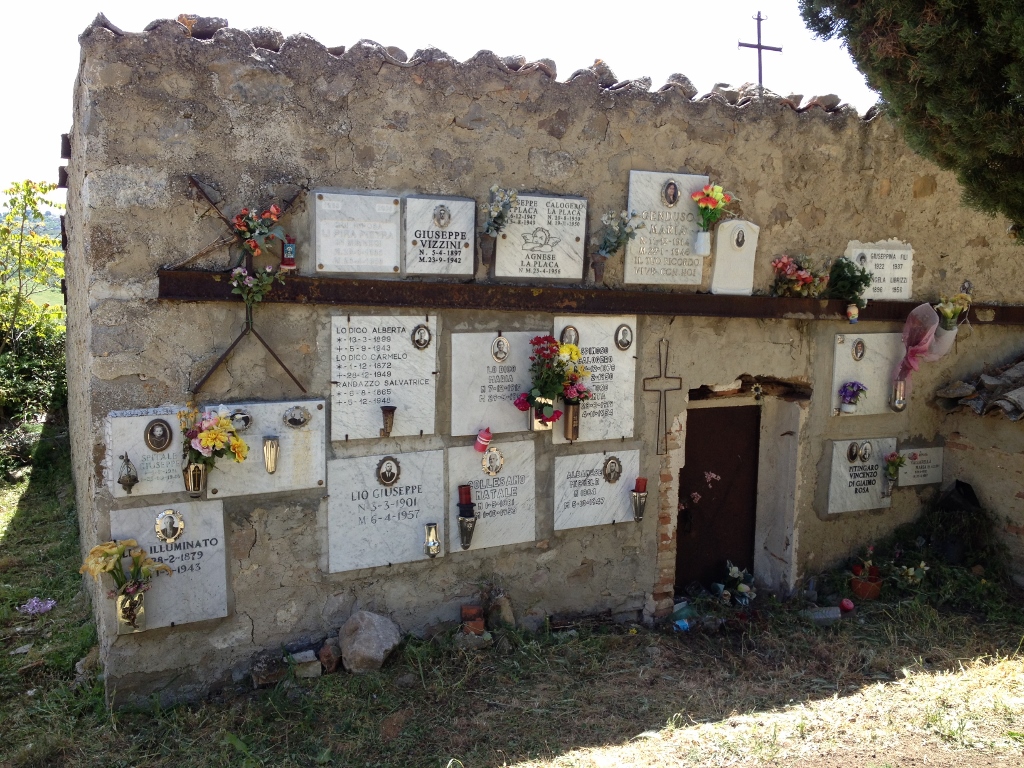
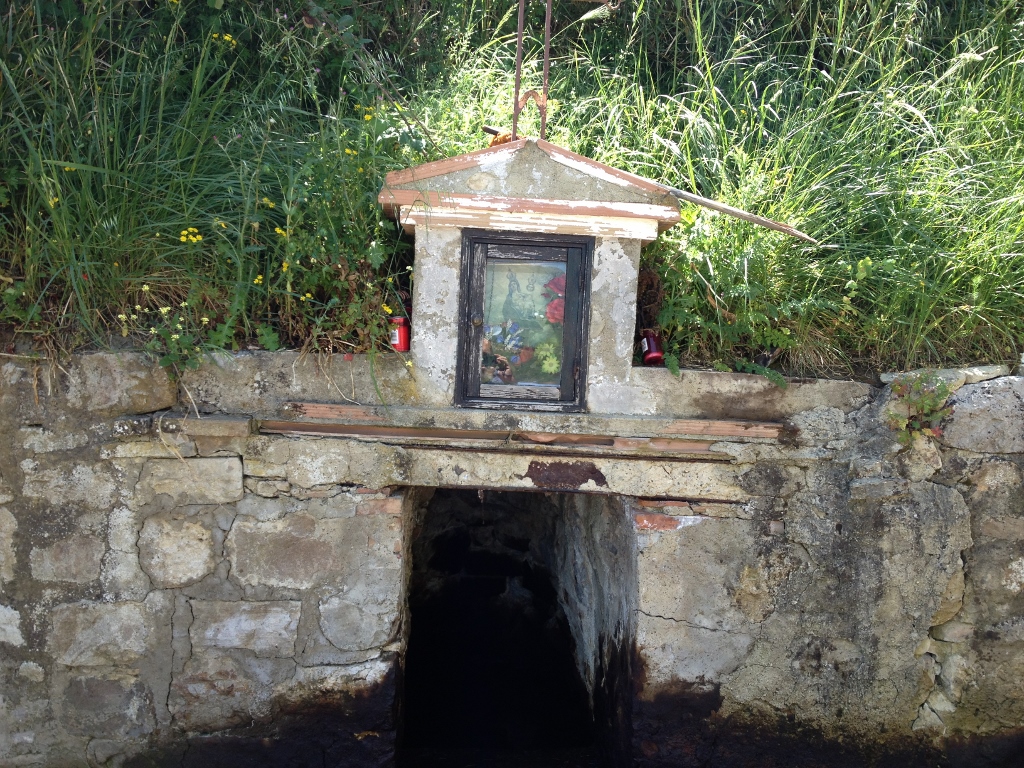
The stone crypt in the Sacred Zone - Sanctuary of
the Madonna of the Oils -2013
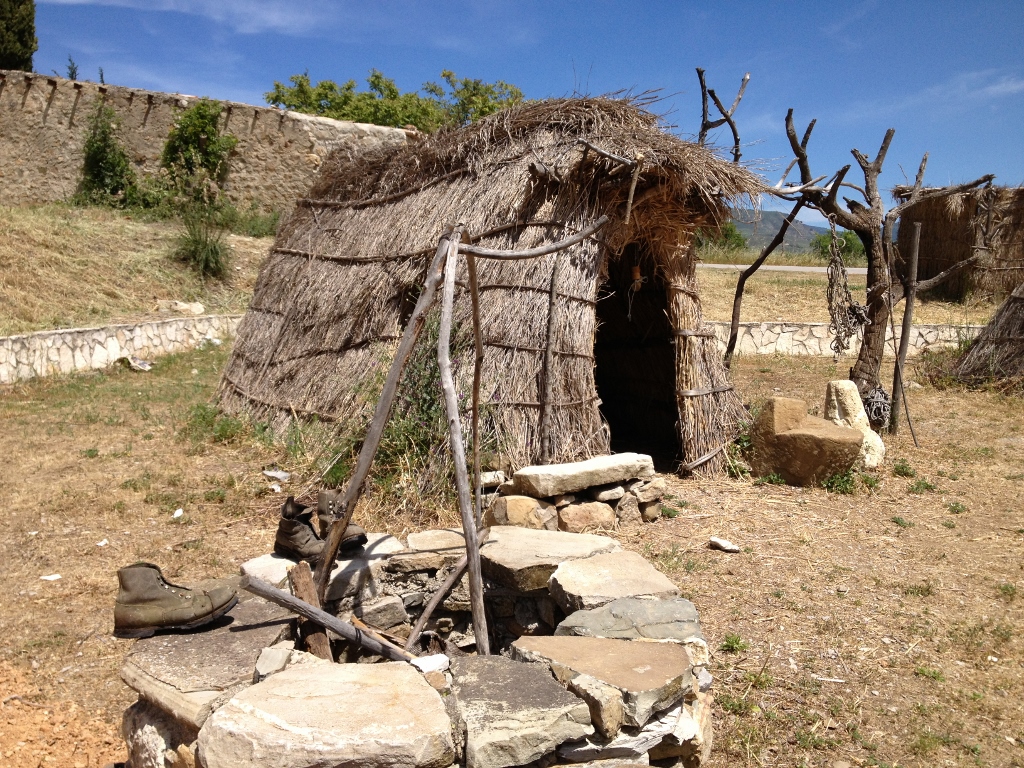
2013
Blufi is comprised of five 'quartiere' or
districts: Vaccarelli, Malpasso, Conigli, Vizzini, and
Macelli.
The story of the LoDico ancestry begins in
Malpasso. At the end of the 17th century there was one
road that went from Catania to Palermo along an ancient
pathway first used by the ancient Sicilians. This road was
later improved by the Romans and it passed through Blufi
in a region called Malpasso [ bad pass ]. This was a
dangerous stretch of road known for its steep ravines and
high bluffs where criminals and others would attack and
rob the travelers. The priests, pilgrimagers, and
merchants complained to the Sicilian nobility and asked
for protection. The Marchese Pottino who owned most of the
land, entered into an agreement with three Sicilian
campiere families: the LaTonas, the di Geracis, and the
LoDicos. In return for protecting the travelers on the
road, the LoDico family was given the land known as
Malpasso.
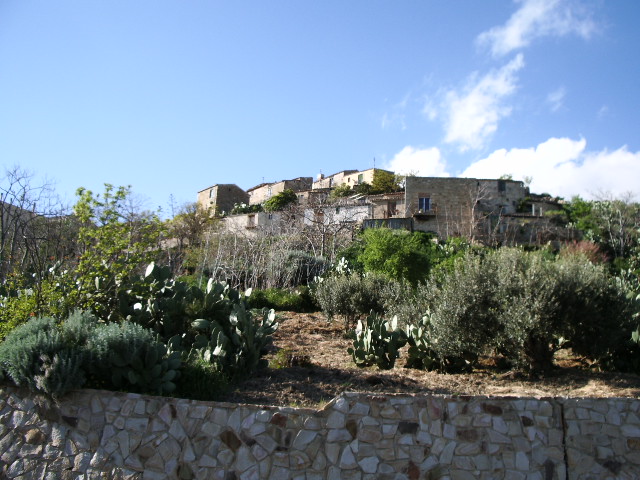
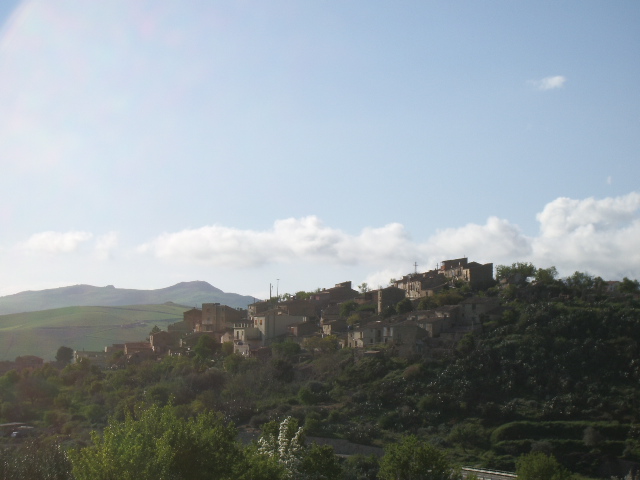
Malpasso Blufi 2005
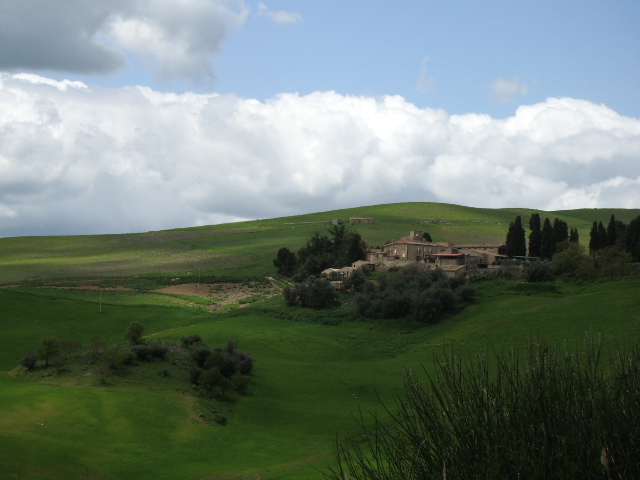
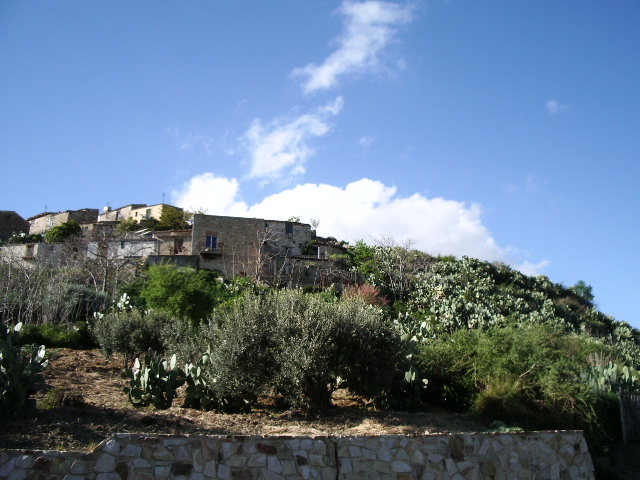
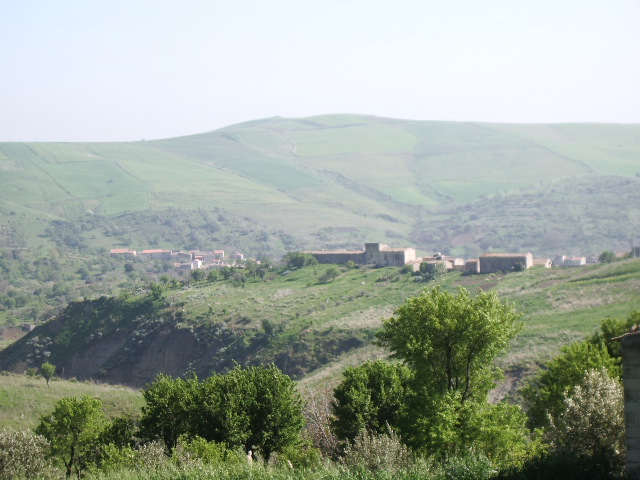
Malpasso
2005
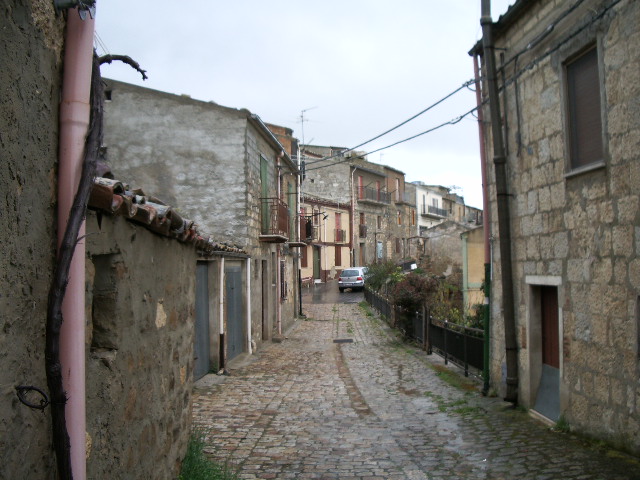
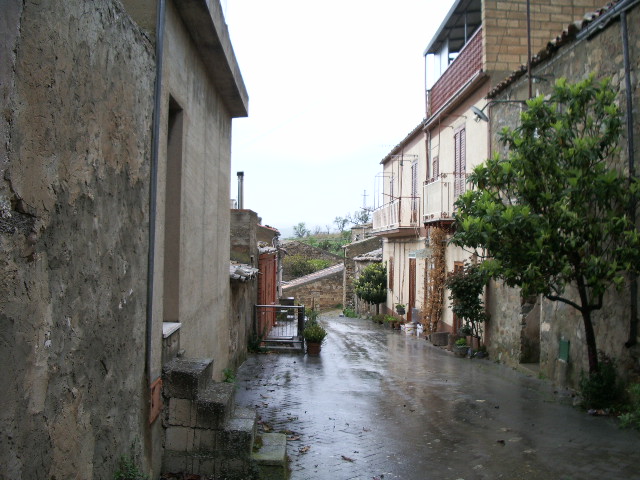

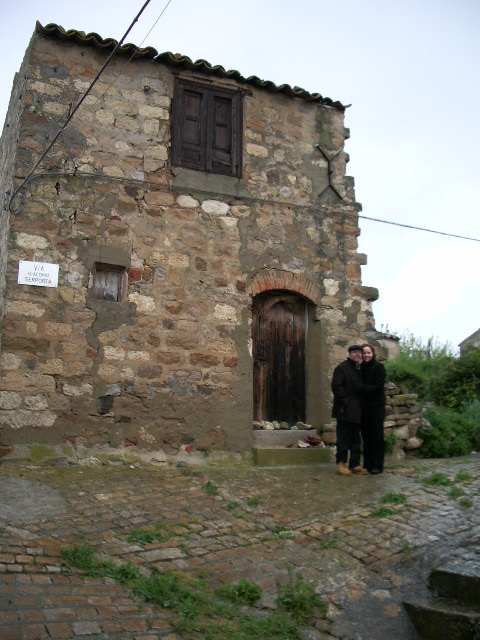
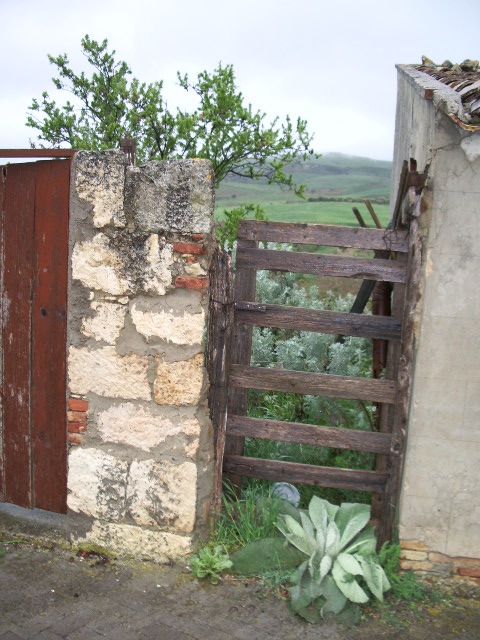
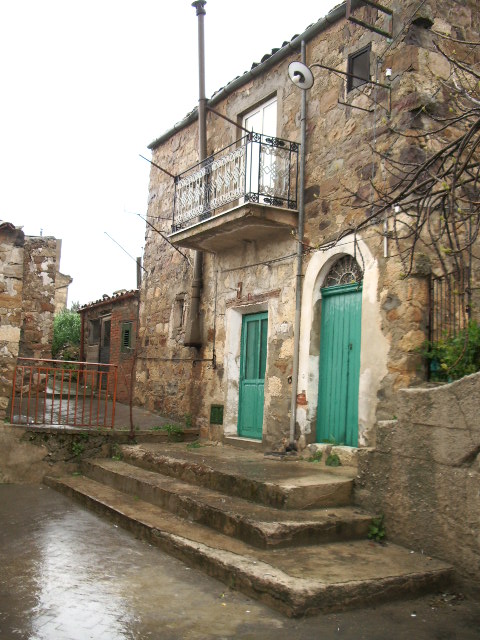
The
quartiere of Malpasso
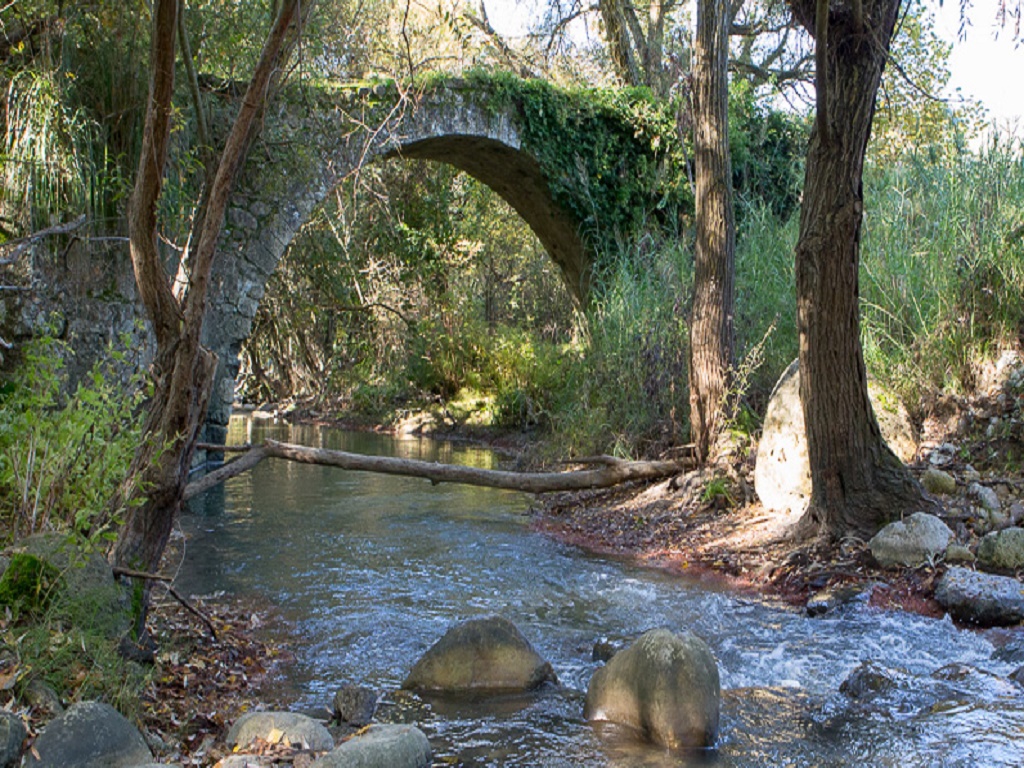
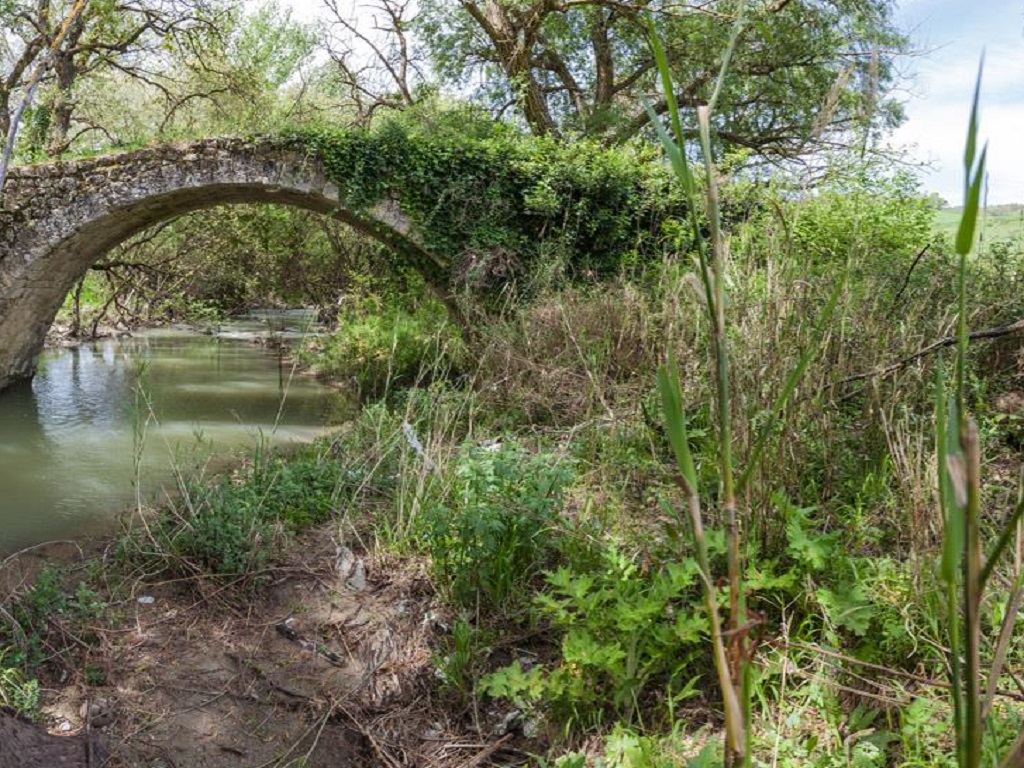
Another
deserving place of interest is the 'ponte romano'
or 'Roman Bridge'
- annotated by the Marquis di Villabianca, between the
territory of Blufi and Petralia Sottana.

A
place of innumerable pilgrimages, so much so,
it makes Blufi a centerpiece of the Madonie in importance,
is the "Sanctuary of the " Madonna of the Oils " .
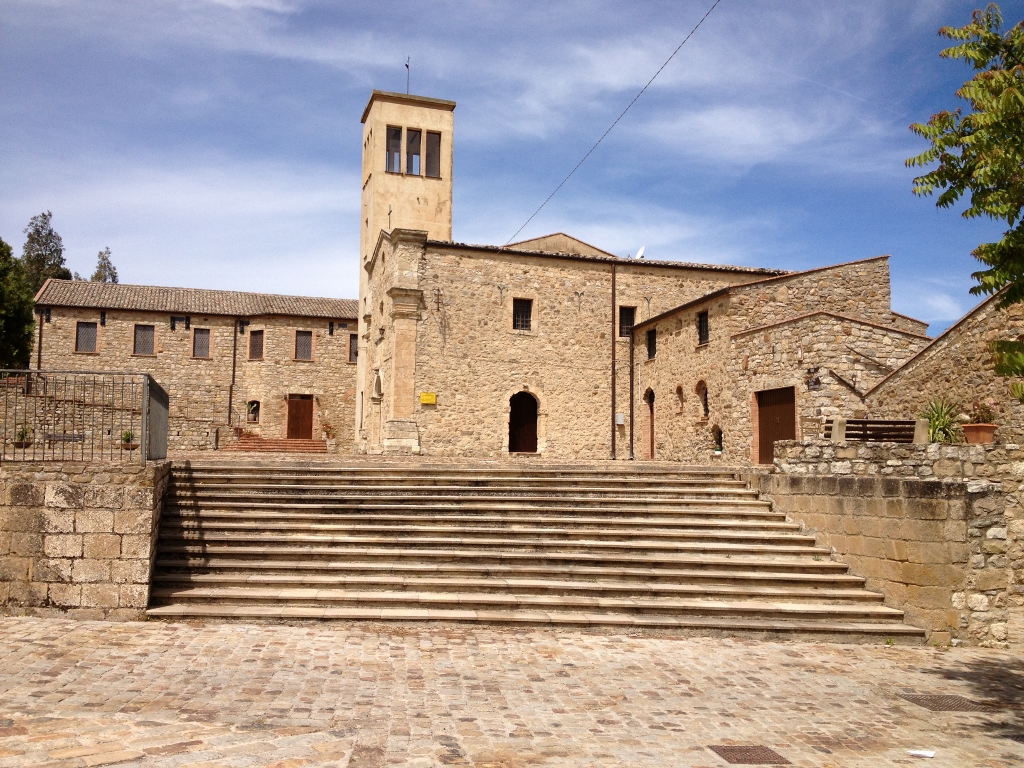
2013
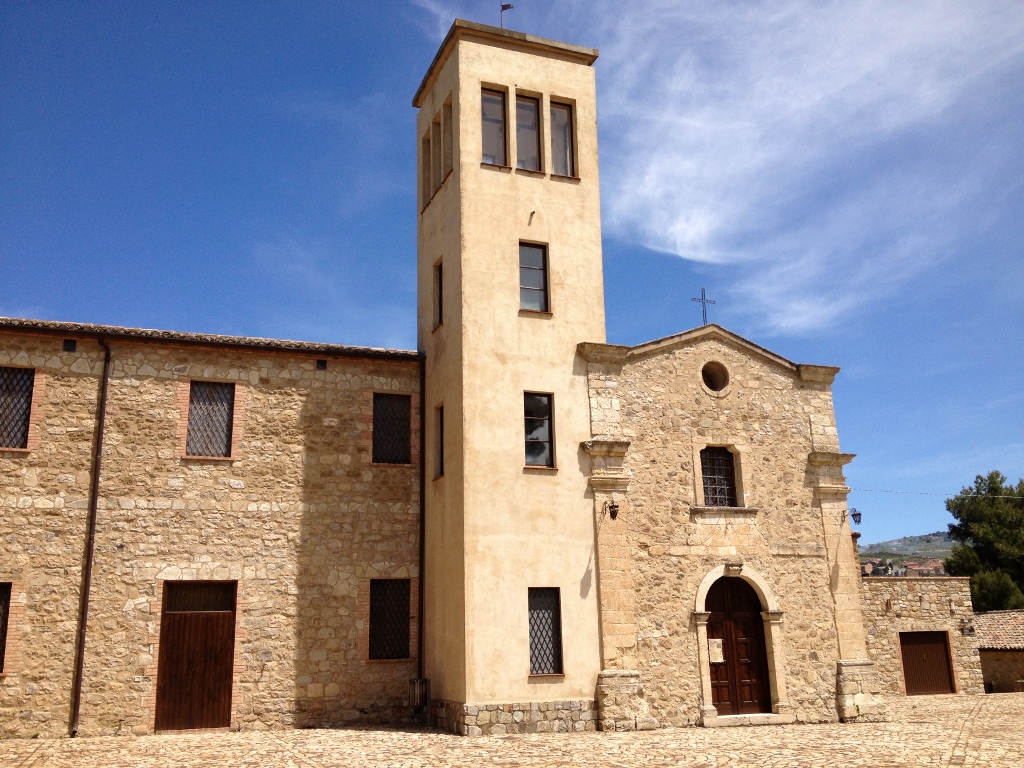
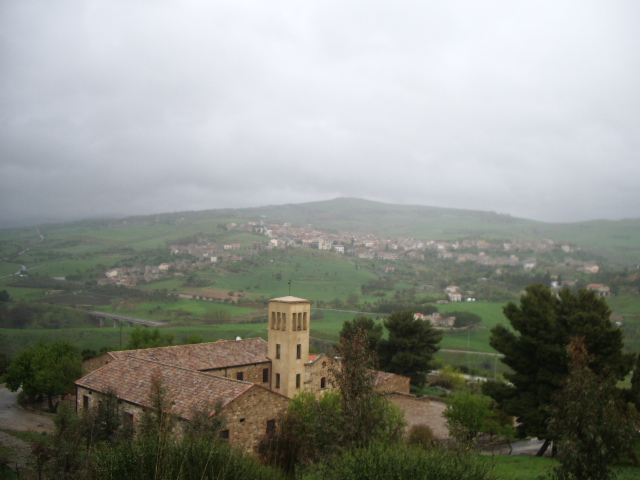
2007
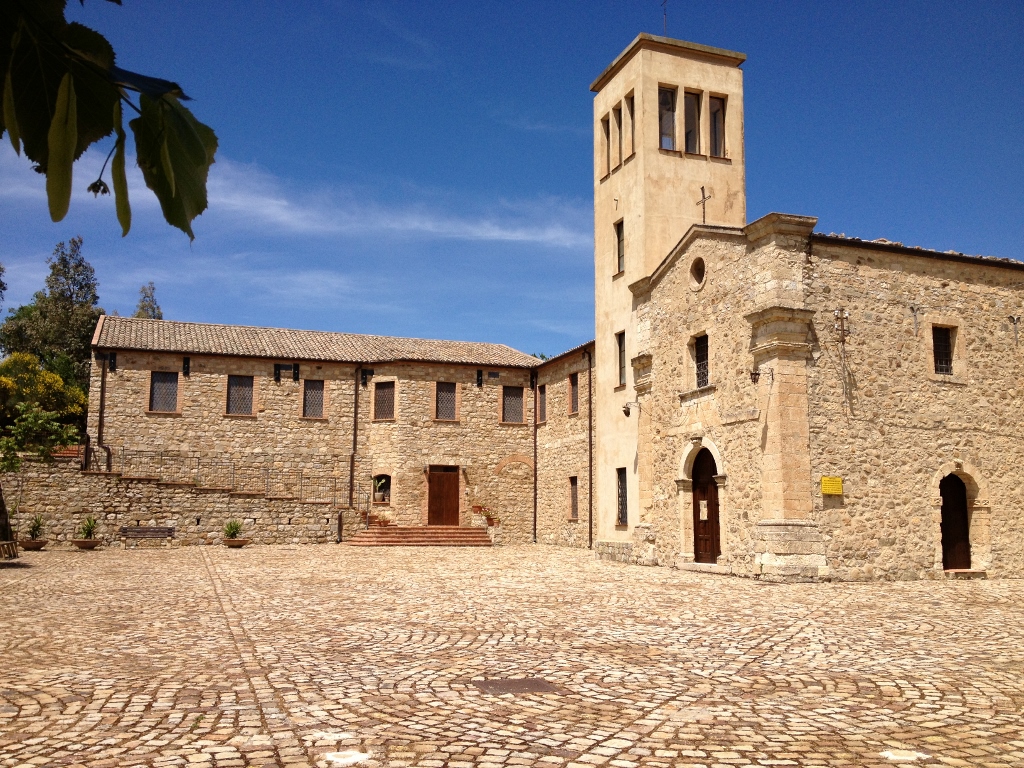
Courtyard of the Sanctuary 2013
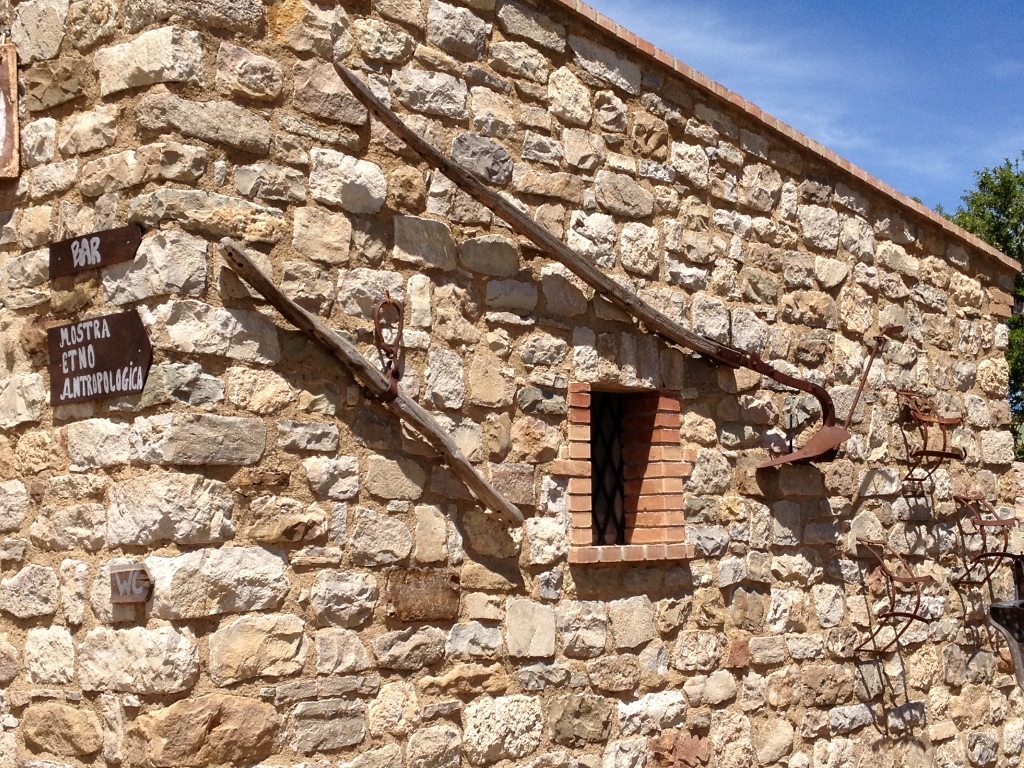
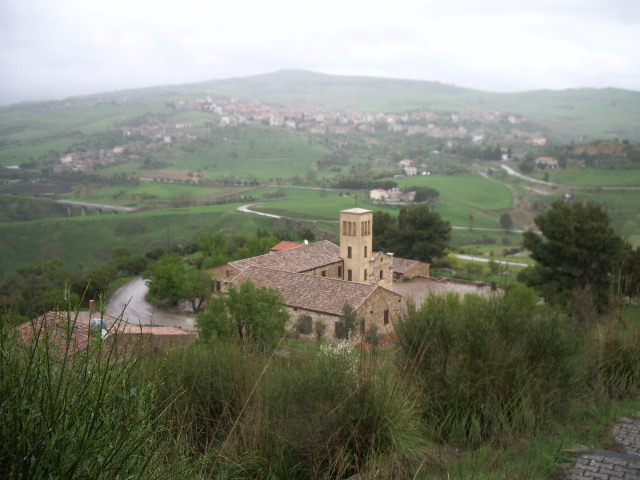
2013
2007
From
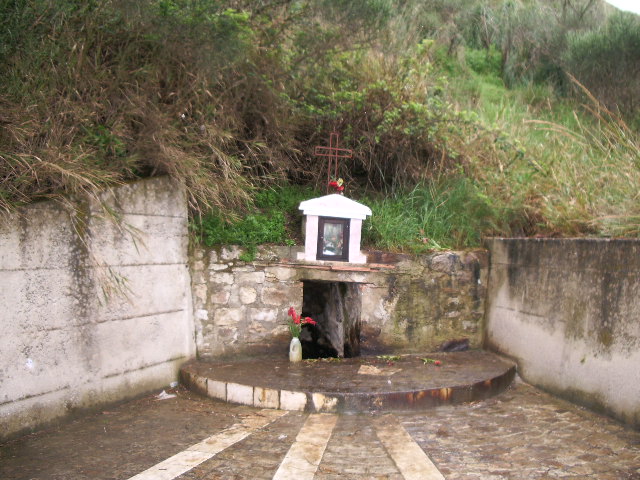
the stone bluff there flows an ancient and mysterious
source of mineral oil.
Mentioned by Aristotle in one of his scientific works.
The
oil is reported to have the powers to cure afflictions
of the skin.
The
Festival of the Sanctuary of the Madonna of the Oils is
celebrated on the 15th of August.
The
faithful come on foot from all corners of the rural
Madonie to listen to the Mass.
A
manuscript, dating back to 1832,
tells the Bourbon government that the Sanctuary's
origins date back to around the eighth century.
It's writings indicate the Sanctuary was built by the
faithful,
subjects of the Reverend Arciprete of Petralia Soprana,
as reported by Father Francesco Ferrara of Petralia in
1762".
2013
Blufi, Sicily